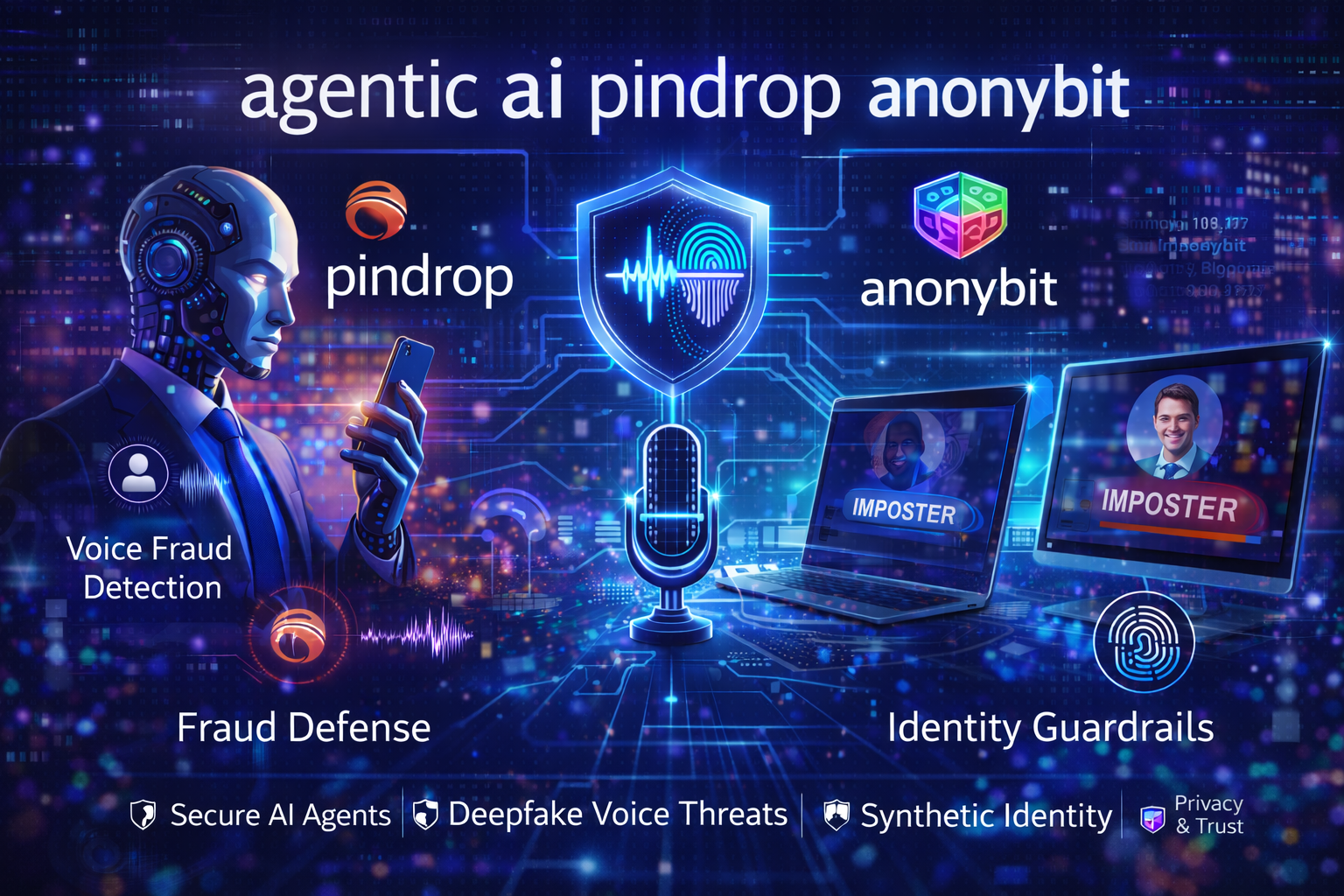
Agentic AI Pindrop Anonybit: How Voice, Identity, and Trust Work in the New AI Era
Agentic AI is changing how tools act in the real world. It is not only “chatting.” It can take steps, make choices, and finish tasks with very little human help. That is why the phrase agentic AI Pindrop Anonybit is getting attention. People want to know how voice security and identity checks will work when AI can call, talk, and try to pass as a real person. This matters for contact centers, banks, insurance teams, healthcare billing, and any place where voice is used to confirm who someone is. Pindrop speaks a lot about agentic AI and machine-led fraud, with a focus on voice deepfakes and phone-based risk.
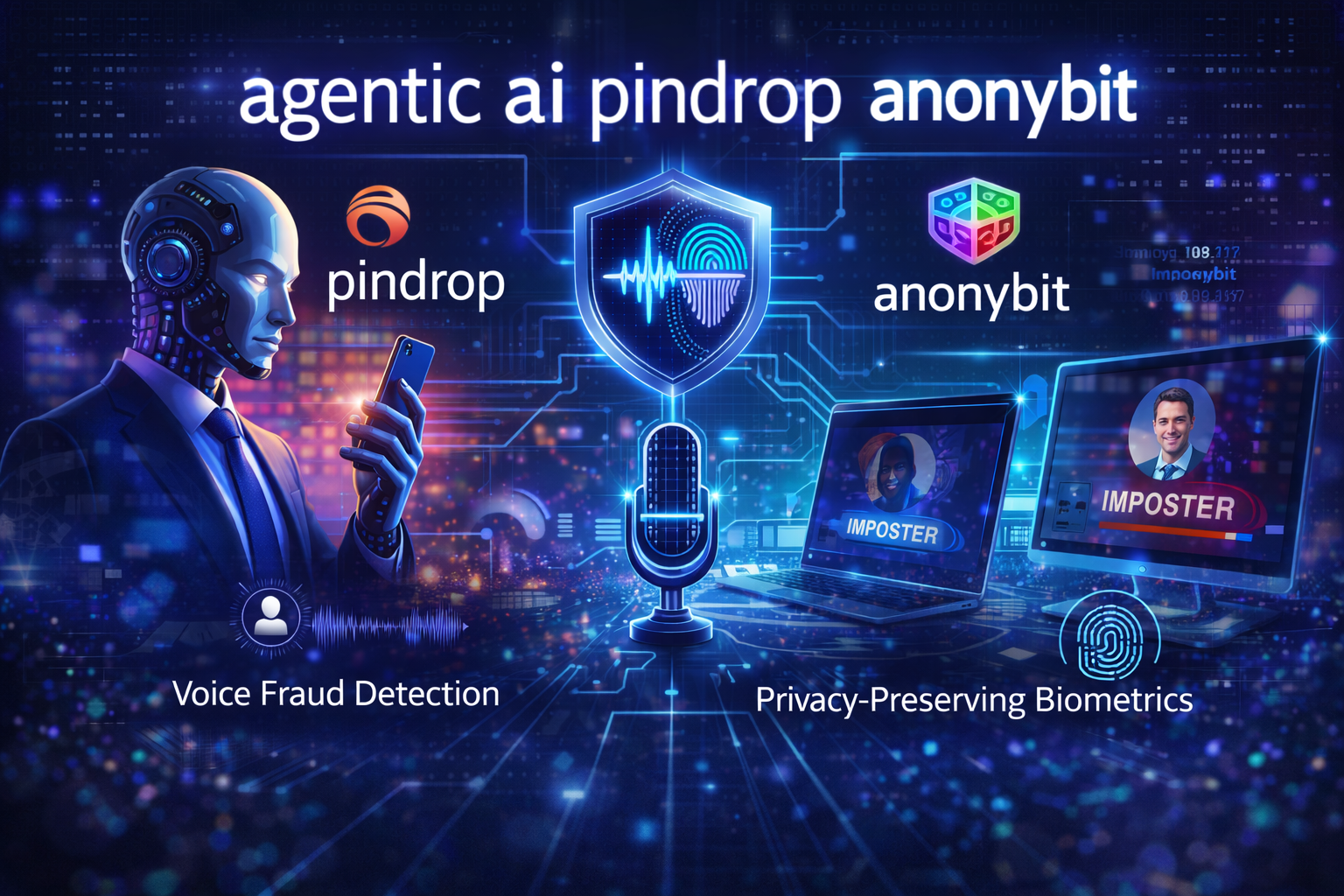
In this guide, I will keep things clear and simple. You will learn what agentic AI is, why voice fraud is rising, and why identity and biometrics are now part of the conversation. You will also see where Pindrop and Anonybit fit, without getting lost in buzzwords. Pindrop describes agentic AI as a shift that can scale impersonation and voice attacks, which forces businesses to upgrade defenses. Anonybit focuses on privacy-preserving biometrics, which is about proving identity while reducing biometric data exposure.
What “Agentic AI” Means in Plain Words
Agentic AI is AI that can “do.” It can plan steps, use tools, and keep going until it finishes a goal. A simple example is an AI that can book travel. It checks dates, compares prices, and buys tickets. Another example is an AI that can handle account tasks, like changing a shipping address or asking for a refund. When voice is involved, agentic AI can also speak, respond, and adjust based on what it hears. That is where risk starts to rise, because voice has long been a trust signal in customer service.
Pindrop warns that agentic systems can mimic real people, handle context, and even attempt actions like account changes and OTP challenges in fraud scenarios. This is one reason searches for agentic ai pindrop anonybit are growing. People sense that “AI that acts” needs stronger checks than “AI that chats.” That means better detection, better identity verification, and better rules around what AI is allowed to do.
Why This Keyword Connects Pindrop and Anonybit
The phrase agentic AI pindrop anonybit links two big topics: voice trust and identity trust. Pindrop is known for voice security, voice analysis, and fraud defense, especially in call and contact center settings. When agentic AI is used by attackers, voice becomes a weapon. That pushes companies to detect deepfakes, spot risky calls, and add “step-up” checks when something feels off.
Anonybit comes from the identity side. Their message is that biometrics can be strong, but storing biometric templates in one place creates privacy and breach risk. Their approach is described as privacy-preserving and decentralized, splitting biometric information into anonymized parts. When people search agentic AI Pindrop Anonybit, they often want a single picture: “How do we keep voice and identity safe when AI can act like a person?”
The Real Problem: AI-Driven Impersonation Gets Cheaper and Faster
Fraud used to take human effort. A fraudster needed time, skill, and patience. Agentic AI changes that. A system can try many calls, many targets, and many scripts. It can adjust tone and wording until it gets what it wants. Pindrop’s content describes a world where fraud is carried out by machines with near-human precision, not just by individuals. That is a huge shift for businesses that rely on voice for trust.
This does not mean every AI call is bad. Plenty of companies use AI agents for support and scheduling. The issue is that defenders must now assume some “humans” could be synthetic. That is the heart of agentic AI, Pindrop Anonybit: building trust checks that work even when the voice sounds real. The best defenses are layered. Voice risk signals, behavior patterns, device checks, and strong identity proof can work together.
How Pindrop Fits: Voice Intelligence, Risk Signals, and Deepfake Defense
Pindrop describes capabilities around voice analysis and detecting voice mismatch, where the voice does not match an enrolled profile. They also explain voice authentication as voice biometric analysis used to support identity verification and reduce fraud in call settings. In simple terms, think of it like this: your voice carries patterns. If a caller’s voice patterns do not fit the known person, that is a risk sign.
Agentic AI can try to imitate voice patterns, so the defense cannot rely on one signal. That is why Pindrop’s messaging focuses on the “future of fraud” and the need to detect synthetic voice threats. If a contact center handles money movement, account recovery, or sensitive data, voice risk scoring becomes a practical guardrail. In the agentic AI Pindrop Anonybit world, voice intelligence becomes a front-line filter.
How Anonybit Fits: Privacy-Preserving Biometrics and Identity Guardrails
Anonybit positions itself around privacy-preserving biometrics and a decentralized framework for biometric storage. The key idea is simple: biometrics are strong, but biometric databases are a tempting target. If a password leaks, you can change it. If a biometric template leaks, you cannot “change your face” the same way. So the storage model matters.
Anonybit’s approach has been described as splitting biometric information into anonymized bits and storing them across a network, rather than a single template sitting in one database. This connects to agentic AI, Pindrop Anonybit, because agentic AI pushes more automation. More automation means more identity checks at speed. The safer your identity layer is, the more confident you can be when AI agents are part of the workflow.
What a “Secure AI Agent” Needs Before It Touches Real Accounts
If an AI agent can act, it needs boundaries. Picture an AI agent in customer service. It can answer simple questions safely. But if it can also change a bank transfer address, that is a higher risk. The safe model is “progressive trust.” Start with low-risk tasks. Then require stronger identity proof for high-risk actions. This is where voice and biometrics can work as step-up checks.
Anonybit has talked about binding agentic AI to identity and building guardrails that keep AI-driven interactions verifiable and privacy-preserving. Pindrop focuses on the reality that voice deepfakes and agentic fraud can scale fast. Together, agentic ai pindrop anonybit points to one message: don’t let AI act freely without identity and risk controls.
“Meaning” of the Keyword: Why People Type This Exact Phrase
People type agentic AI, Pindrop, and Anonybit for a few reasons. Some saw a webinar, article, or industry post and want a quick explanation. Others want to compare solutions or understand whether these tools compete or complement each other. Some users are just trying to solve a real problem: deepfake voice calls are increasing, and their teams need a plan.
There is also a search pattern connection to news and niche posts. Biometric and fraud publications have covered agentic AI discussions that mention Pindrop and Anonybit in the same breath, which increases keyword pairing. In practice, most readers want a simple answer: “What does this mean for my business or my customer support team?” That is what the next sections deliver.
Use Cases: Where These Ideas Show Up in Real Life
A common place is the contact center. Callers ask to reset passwords, update phone numbers, or unlock accounts. Those steps are often tied to money or private data. If an agentic AI voice bot can mimic a real person, it might try to pass basic checks. That is why voice risk detection and strong identity steps matter. Pindrop’s content highlights the rising concern of voice bots and impersonation.
Another place is shared devices. Think of frontline workers using tablets. Password sharing happens. PIN reuse happens. Anonybit talks about workforce access and shared-device identity challenges, which are real pain points in many industries. In the agentic AI Pindrop Anonybit story, the use case is not only “stop bad guys.” It is also “make real users safer and faster.”
A Complete Detailing Table: Quick Guide to the Topic
| Topic | Simple Meaning | Why It Matters | Where You See It |
|---|---|---|---|
| Agentic AI | AI that can plan and act | Can scale actions and risk | Support agents, scheduling, account tasks |
| Voice deepfake | Synthetic voice that sounds real | Can fool humans and basic checks | Phone fraud, account takeover attempts |
| Voice authentication | Voice biometrics for identity support | Helps confirm caller identity | Contact centers and verification flows |
| Pindrop focus | Voice intelligence and fraud defense | Detect risky calls and deepfakes | Call centers, voice channels |
| Anonybit focus | Privacy-preserving biometrics | Reduce biometric exposure risk | Workforce, enterprise identity |
| Step-up checks | Extra proof for risky actions | Stops fraud at the last mile | OTP, wire changes, account recovery |
| Guardrails | Rules limiting AI actions | Keeps AI safe and accountable | AI agents, automation tools |
How to Think About “Pindrop vs Anonybit” Without Confusion
Many people assume it is a direct “vs” fight. In reality, the two brands often sit in different layers of the problem. Pindrop is closely tied to voice channels and detecting voice-based fraud patterns. Anonybit is more about identity assurance and privacy-focused biometrics across touchpoints.
A simple way to picture agentic AI, Pindrop Anonybit, is this: Pindrop can help you decide, “This call feels risky.” Anonybit can help you decide “this person is verified, without risky biometric storage.” Your environment decides how they fit. A contact center may start with voice risk scoring, then step up to stronger identity proof when money or data is on the line. That layered model is how modern trust systems are being shaped.
Practical “Do This Next” Checklist for Teams
Start by listing your highest-risk actions. Password resets. New payee adds. Address changes tied to cards. Account recovery that unlocks money movement. Then check how those actions are currently approved. If it is “just voice + a few questions,” that is weak now. Agentic AI can learn scripts and adapt quickly, so you need stronger friction only when risk is high.
Next, add layered signals. Voice risk detection can flag suspicious calls in real time, while identity steps can confirm the person when it really matters. Pindrop’s content shows how voice deepfakes are reshaping tactics, which is why defenses must evolve. Anonybit’s focus on privacy-preserving biometrics points to safer identity proof at scale. This is the real promise behind agentic AI, Pindrop Anonybit.
Frequently Asked Questions
It is a search phrase people use when they want one clear explanation of agentic AI and how it connects to voice fraud defense (Pindrop) and privacy-preserving identity and biometrics (Anonybit).
Yes, because agentic AI can take actions, not just answer questions. Pindrop warns that agentic systems can scale impersonation and complex fraud tasks, which increases risk.
Pindrop publishes resources explaining voice authentication and offers voice analysis capabilities, including voice mismatch detection as a fraud signal.
Anonybit emphasizes privacy-preserving biometrics and a decentralized approach to biometric storage, reducing reliance on a single stored template.
Yes. When businesses reduce voice fraud and improve identity checks, customers deal with fewer account takeovers and fewer “false lockouts.” That means smoother service and less stress.
Use “progressive trust.” Let AI do low-risk tasks easily. Require stronger identity proof for high-risk actions, like account recovery or changes tied to payments.
Conclusion: Why This Topic Matters Right Now
The reason agentic AI Pindrop Anonybit is a real search trend is simple. AI is getting better at sounding human and acting fast. That creates new fraud pressure on voice channels and identity workflows. Pindrop’s research and articles stress that agentic AI can scale machine-led fraud and push deepfake risk into daily operations. Anonybit’s approach stresses that identity proof must be verifiable and privacy-preserving, because biometric risk is not the same as password risk.
If you are building or managing customer support, fintech flows, or any system that trusts voice, this is the moment to upgrade how trust works. The best model is layered and calm. Detect risk early. Step up checks only when needed. Protect privacy while proving identity. That is the real takeaway behind agentic AI, Pindrop Anonybit.