Wayne Huizenga
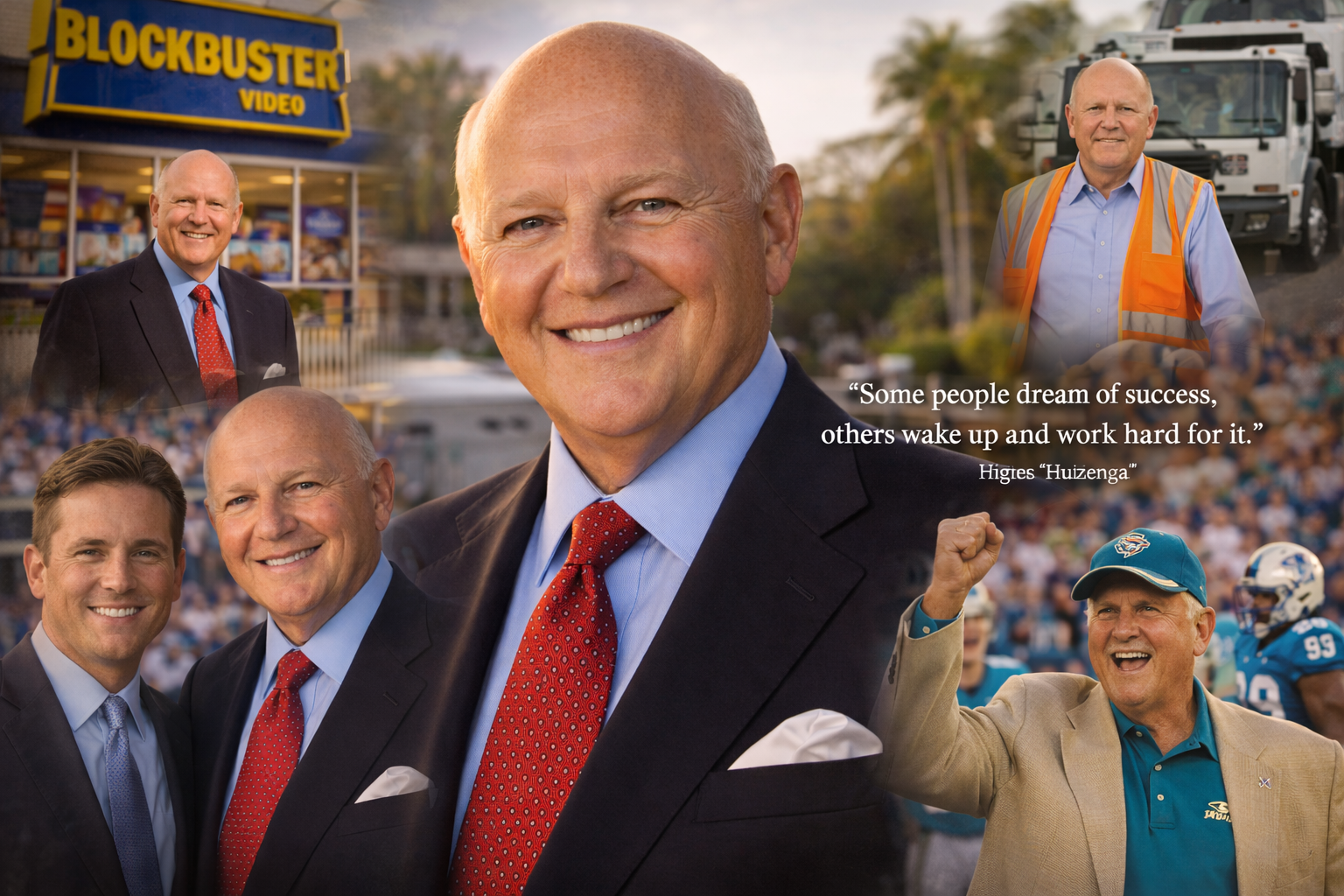
Most people dream of building one great company during their entire lifetime. Wayne Huizenga built three of them, and then he kept going. After building the companies, he bought three professional sports teams and brought championships to South Florida. He changed the way America rents movies, buys cars, and throws away trash. If you have ever returned a late video rental, driven a car off a big dealership lot, or watched the Miami Dolphins play on Sunday afternoon, you have touched the world that Wayne Huizenga built. He started his journey with absolutely nothing but one garbage truck and a powerful dream. When he finished his incredible run, he was worth nearly three billion dollars and had left fingerprints on American business that will never wash away.
But here is the thing about Wayne that most people do not understand. He was not a tech genius who invented a new gadget. He did not discover electricity or write complex software code. He just worked harder than everyone else in the room, and he never stopped. He saw opportunities in everyday businesses that the rest of us walked right past every single day. He was not afraid to get his hands dirty, and he never thought any job was beneath him. This is the story of a college dropout who became a genuine American legend. It is the story of the man behind Blockbuster Video, Waste Management, and AutoNation. It is the story of Wayne Huizenga, and trust me when I say this: by the end of this article, you will understand exactly why they called him a one-of-a-kind entrepreneur who changed everything he ever touched.
Who Was Wayne Huizenga? The Boy from the Back of the Garbage Truck
To truly understand Wayne Huizenga and how he became so successful, you have to go back to Chicago in the cold winter of 1937. He was born into a family of Dutch immigrants who worked in the garbage business. His grandfather, Harm Huizenga, started the family business back in 1894 with nothing but a single horse and a wooden wagon. Back in those days, trash collection was not considered glamorous work at all. It was dirty, smelly, exhausting physical labor that most people avoided. But it was steady work that put food on the table, and the Huizenga family took great pride in doing it well.
Wayne did not grow up with silver spoons or fancy things. His father was a cabinetmaker who worked with his hands every single day. His mother decorated homes and raised the children with strong Dutch Reformed Christian values. They believed in hard work, keeping your head down, and never complaining about your circumstances. When Wayne was fifteen years old, the family packed everything they owned and moved south to Fort Lauderdale, Florida. The warm sunshine and palm trees were nice, but young Wayne was restless and eager to prove himself. He enrolled at Calvin College in Michigan, following the family tradition, but he only lasted three semesters. School simply was not for him. He wanted to move fast, build things, and create something meaningful. So he did something that scared his parents. He dropped out of college and came home.
In 1959, Wayne joined the Army Reserve to fulfill his military duty. After six months of active duty training, he came back to Florida and took whatever odd jobs he could find. He pumped gas. He drove trucks. He did whatever paid the bills. But he never forgot what his grandfather had done with that horse and wagon back in Chicago. He never forgot the trash business. In 1962, he walked into his father’s house with a serious look on his face and asked for five thousand dollars. He wanted to buy a single used garbage truck and start his own hauling company. That five-thousand-dollar loan from his father changed everything, and it set in motion a chain of events that would eventually make Wayne Huizenga one of the richest and most respected businessmen in American history.
Wayne Huizenga Waste Management: Building a Fortune on Other People’s Trash
When Wayne Huizenga bought that first garbage truck in 1962, he did not just sit in an office and manage people. He drove the truck himself. He picked up trash cans from people’s driveways. He knocked on doors every single evening, asking for new customers. He worked fourteen-hour days, six days a week, and sometimes seven. He smelled like garbage when he came home at night, and his first wife was not happy about it. But Wayne loved every single minute of the work because he could see the future. He named his tiny company Southern Sanitation Service, and by 1968, he had grown it to forty trucks operating all over Broward County, Florida.
Most people would have been satisfied with that success. Forty trucks are a solid business. You can make a good living, buy a nice house, and send your kids to college. But Wayne Huizenga was not most people. He looked at the waste industry and saw something that nobody else could see. The trash business was completely broken into thousands of tiny pieces. There were little guys with one truck, two trucks, maybe five trucks, all operating in their own small territories. Nobody was putting the pieces together to create something big and powerful. So Wayne decided to do exactly that. He teamed up with a relative named Dean Buntrock and started buying every small trash company he could find. He bought them fast, and he bought them aggressively. By 1972, he had acquired one hundred and thirty-three separate garbage companies. He took the combined company public on the stock market and named it Waste Management.
Think about what Wayne accomplished in just ten short years. He went from one borrowed garbage truck to a Fortune 500 company that dominated the entire waste disposal industry. Waste Management became the largest trash company in the entire world, and Wayne Huizenga was still only in his mid-thirties. But here is the part of the story that I absolutely love and find incredibly inspiring. In 1984, Wayne walked away from Waste Management with over one hundred million dollars in company stock. Most human beings would look at that mountain of money and immediately retire forever. They would buy a yacht, play golf every morning, and never work another day in their lives. Wayne bought portable toilet companies instead. While everybody else was counting their millions and relaxing, he was buying businesses that rented Porta-Potties and bottled water coolers. He was not glamorous, and he never pretended to be. He was just completely, totally, absolutely relentless.
The Blockbuster Story: How a Man Without a VCR Changed Movie Rentals Forever
Now we get to the most fun chapter of the Wayne Huizenga story, and it starts with a funny contradiction. In 1987, Wayne Huizenga did not even own a VCR. He did not rent movies. He was not a film buff or a cinema enthusiast. He was a garbage man from Florida who happened to be looking for his next big opportunity. A business partner named John Melk told him about a small chain of video rental stores based in Dallas, Texas. They were called Blockbuster, and they were different from every other video store on the planet. They were incredibly clean and brightly lit. They carried ten thousand movie titles on their shelves. They did not have a back room full of adult films. They were completely family-friendly, and mothers felt safe bringing their children inside.
Wayne was curious, so he flew to Dallas and walked into a Blockbuster store for the first time in his life. Something clicked inside his brain immediately. He recognized the exact same pattern he had seen years earlier in the garbage business. The video rental industry was completely dominated by tiny mom-and-pop shops. There was no national brand. Nobody was dominating the market. Nobody was building something huge. Wayne bought forty-three percent of Blockbuster for eighteen million dollars, and then he did what he always did. He hit the gas pedal and never lifted his foot off.
Under Wayne’s leadership, Blockbuster exploded across America like nothing the retail world had ever seen before. He opened a brand new Blockbuster store every seventeen hours. Think about that number for a moment. Every seventeen hours, somewhere in America, a new blue and yellow sign was lighting up. By 1991, there were eighteen hundred Blockbuster stores across the country. Wayne put Blockbuster on every corner, in every strip mall, in every town big enough to have a movie theater. He made returning a late video rental feel like a national ritual that everybody participated in. In just seven years, he grew the chain from only nineteen stores to over thirty-seven hundred locations in eleven different countries around the world. It was an absolutely stunning achievement.
In 1994, Wayne sold Blockbuster to Viacom for eight point four billion dollars. His timing was absolutely perfect, even though he did not know it at the time. He got out of the video rental business the same year that Jeff Bezos started Amazon in a Seattle garage. He sold at the absolute peak of the video store market, just before the internet changed everything forever. Wayne did not see streaming video coming, and nobody else did either. But he knew exactly when to leave the party, and that instinct is what separates the legends from everyone else.
Wayne Huizenga AutoNation: Selling Cars Like Laundry Detergent
After Wayne sold Blockbuster and pocketed billions of dollars, he could have easily sat on a tropical beach for the rest of his life. But sitting still was simply not in his DNA. He looked around at American business and found another industry that was completely broken and ripe for disruption. That industry was car sales. Here is what Wayne observed in the 1990s. Buying a car was an absolutely miserable experience that everybody dreaded. You had to drive to a sketchy dealership on the edge of town. You had to haggle with a sales guy wearing a cheap suit and using outdated tactics. You never knew if you were getting a fair price or if you were getting completely ripped off. The whole process was stressful, unpleasant, and made people angry.
Wayne asked himself a simple question. Why can’t buying a car be as easy and pleasant as buying laundry detergent or toothpaste? Why do you have to fight with a salesperson to get a fair deal? In 1996, he formed AutoNation and started buying up car dealerships all across the United States. He created the very first national car retail chain in American history. His vision was simple and powerful. One fair price, no haggling at all, and a brand name you could actually trust. Today, AutoNation is the largest automotive retailer in the entire United States. It is a massive Fortune 500 company that sells hundreds of thousands of vehicles every single year. And it all started because a garbage man from Florida thought the car business was completely backwards and decided to fix it.
The Sports Empire: Dolphins, Marlins, and Panthers
Wayne Huizenga loved South Florida with his whole heart. He lived in Fort Lauderdale his entire adult life, and he desperately wanted to bring championship trophies to his adopted hometown. He did not just want to own sports teams as expensive toys. He wanted to win, and he wanted to share those victories with the community that had embraced him as a teenager. The Miami Dolphins came first in his sports journey. Wayne had been a season ticket holder since the Dolphins’ very first season back in 1966. He sat in the stands and cheered like any other fan. In 1990, the Robbie family was struggling with ownership of the team, so Wayne bought fifteen percent. By 1994, he owned the entire franchise for one hundred and thirty-eight million dollars.
Wayne ran the Dolphins exactly like he ran his companies. He changed the stadium name. He sold naming rights to corporations. He treated football like a business, which made some traditional fans uncomfortable. But he also poured millions of dollars into the team, trying to capture that elusive Super Bowl victory. Unfortunately, the championship never came during his ownership. In 2008, he sold a controlling interest to real estate developer Stephen Ross for over one billion dollars. Wayne made an absolute fortune on the sale, but he always said that missing the Super Bowl was the biggest disappointment of his entire professional life.
The Florida Marlins were Wayne’s next sports adventure, and this one was truly special. Wayne brought National League baseball to Miami for the very first time. The Marlins played their inaugural game in 1993, and the city fell in love with baseball all over again. In 1997, Wayne did something that shocked the entire sports world. He spent eighty-nine million dollars on free agent contracts in a single offseason. Baseball experts called him crazy. They said you cannot buy a championship. Then the Florida Marlins actually won the World Series, proving that sometimes you absolutely can buy a championship. It was a miracle season that South Florida still remembers fondly.
But here is where the story gets complicated. Wayne announced that the Marlins had lost thirty-four million dollars despite winning the World Series. He immediately ordered a fire sale and traded away all the star players. Fans were absolutely furious at him. They booed him loudly at Dan Marino’s retirement ceremony. Years later, Wayne admitted publicly that he deeply regretted breaking up that championship team. He said he wished he had run it back one more season and given the fans another chance to cheer. But the baseball analytics people at Baseball Prospectus called him a genius. He won the trophy and sold high, which is exactly what smart businessmen do.
The Florida Panthers brought hockey to the swamps of South Florida, and everybody said it would never work. Hockey belongs in cold northern cities, not in the subtropical heat of Miami. Wayne ignored all the skeptics and launched the Panthers in 1993. In 1996, the Panthers went on an incredible Cinderella run all the way to the Stanley Cup Finals. They lost in the championship, but the journey was pure magic for South Florida sports fans. Wayne sold the team in 2001, and in 2017, the Panthers honored him by retiring his jersey with the number thirty-seven. Not too bad for a guy from Chicago who grew up hauling trash.
Wayne Huizenga Net Worth: The Billionaire Who Never Stopped Working
People always want to know the exact numbers, and I completely understand why. How rich was Wayne Huizenga really? In 2017, Forbes magazine carefully calculated his wealth and listed his net worth at two point eight billion dollars. He was tied for the 288th richest person in the entire United States. But here is the part that really impresses me. Wayne Huizenga’s net worth did not come from one lucky stock tip or one lucky real estate deal. It came from building four massive, industry-dominating companies with his own two hands and his own relentless energy. Waste Management. Blockbuster Video. AutoNation. Republic Services. Plus, Extended Stay America hotels. Plus Swisher Hygiene chemicals. Plus, the billion-dollar sale of the Miami Dolphins.
Wayne Huizenga is the only person in the entire history of American business to have founded three completely separate Fortune 500 companies. Not one single other person has ever accomplished that feat. One Fortune 500 company is a lifetime achievement for most CEOs. Three is absolutely unheard of. And on top of those three massive companies, he took six different businesses to the New York Stock Exchange for their initial public offerings. At the time of Wayne Huizenga’s death, he was still worth over two and a half billion dollars. That is an incredible legacy for a college dropout who started with a five-thousand-dollar loan from his dad.
Wayne Huizenga House: Life on the New River
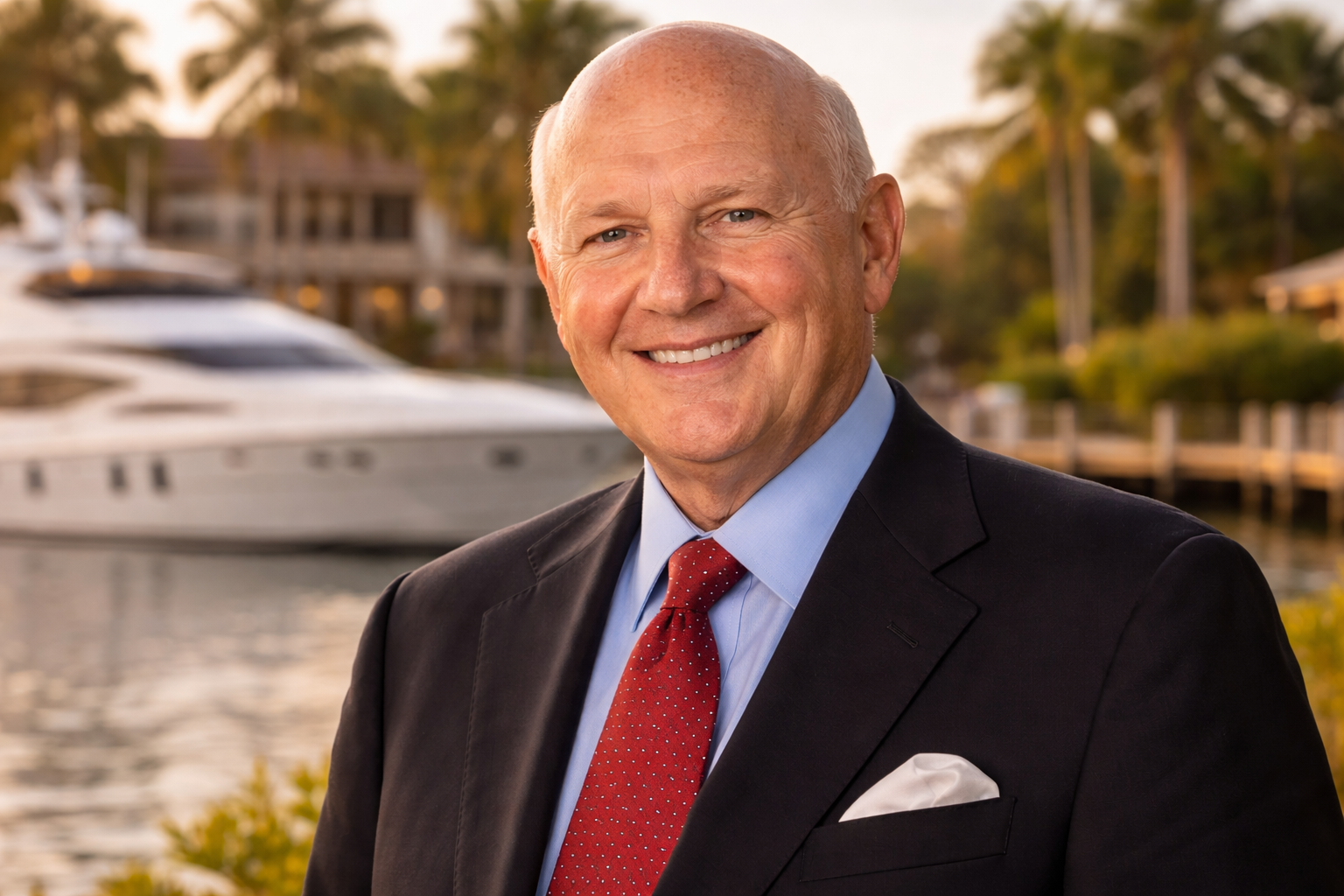
Wayne Huizenga could have lived absolutely anywhere in the entire world. He could have bought a penthouse in Manhattan overlooking Central Park. He could have purchased a sprawling estate in Beverly Hills next to movie stars. He could have acquired a private island in the Caribbean with white sand beaches and crystal clear water. But Wayne never wanted any of that. He stayed right where he started, in Fort Lauderdale, Florida, on the peaceful banks of the New River. His Wayne Huizenga house was not flashy or ostentatious like some billionaire homes you see on television. It was comfortable and beautiful, with a nice view of the water, but it was not designed to impress strangers or make magazine covers.
Wayne loved being on the water. He kept his boat docked behind the house. He watched the boats go by on the river. He lived in the exact same community where he had built his incredible business empire. He walked into his office every morning just like he had done for fifty years. When he passed away in March of 2018, he died peacefully at that same home on the New River. He was surrounded by his loving family, looking out at the water he had enjoyed for so many decades. That is a beautiful ending to an incredible American life.
Wayne Huizenga Family: The Roots of a Powerful Legacy
Wayne Huizenga was married twice during his eighty years on this earth. His first marriage was to Joyce VanderWagen back in 1960. They were young and optimistic, and together they had two sons, Wayne Huizenga Junior and Scott. But the marriage did not last, and they divorced in 1966. In 1972, Wayne found his true life partner when he married Marti Goldsby. Marti was his rock, his confidant, and his best friend for forty-five wonderful years. Together, they had two more children, Pamela and Ray. Marti passed away in 2017, and Wayne followed her just one year later. I like to think they are together again somewhere peaceful.
The Wayne Huizenga family tree is strong and continues to grow. Wayne had four children who survived him, and he had eleven beautiful grandchildren. His obituary listed their names with obvious love and pride. Savannah, Tres, Gerritt, Ainsley, Jacob, Shelby, Chloe, Matthew, Hanah, Josh, and Gabriella. That is quite a legacy for a man who started with one garbage truck. H Wayne Huizenga Junior followed his famous father into the business world and continues the family name in South Florida. Wayne Huizenga Jr.’s net worth is not public information like his father’s fortune, but the family legacy is secure through their extensive philanthropy and continued business presence.
Wayne was honest about his regrets as a father. He told the Wall Street Journal once that he wished he had spent more time with his kids when they were growing up. He said your children grow up much quicker than you think they will, and one day you look back and realize you missed some important moments while you were working. It is a powerful reminder that even the most successful billionaires have regrets and wish they had done some things differently.
Wayne Huizenga Quotes: Wisdom from the King of Trash and Movies
Wayne Huizenga’s Cause of Death: A Long and Courageous Battle
Wayne Huizenga fought cancer for many years, and he fought it with the same determination he brought to every business deal. He did not hide his illness or retreat from public life. He kept showing up at the office. He kept making decisions. He kept living his life on his own terms. His cause of death was officially cancer, and he passed away on March 22, 2018, surrounded by his loved ones. His longtime personal assistant, Valerie Hinkell, confirmed that he died peacefully at his home in Fort Lauderdale. Bob Henninger from Huizenga Holdings told reporters that the cause was cancer. Wayne was eighty years old, and he outlived his beloved wife Marti by just over one year. I truly believe he was ready to go and be with her again.
Biography Table: Wayne Huizenga Complete Profile
Blockbuster Era: The Movies That Built an Empire
Since so many people search for Wayne Huizenga Blockbuster connections, I created this detailed table showing the top movies during his ownership years. Wayne Huizenga never acted in movies or directed films, but he rented millions of them to eager American families. This table shows which movies were dominating the box office while Wayne was building his video rental empire.
The Huizenga Method: How One Man Did the Impossible
So what exactly made Wayne Huizenga different from every other entrepreneur of his generation? I have studied his career carefully, and I believe I have identified the specific traits that set him apart from everyone else. First and most importantly, Wayne thought big when everybody else thought small. When he had one garbage truck, he wanted forty trucks. When he had forty trucks, he wanted national domination. He never stopped scaling his businesses upward, and he never accepted the status quo. Second, Wayne bought companies instead of building them from scratch most of the time. He found small companies that were doing things the right way, bought them at fair prices, and then poured rocket fuel on the fire. Blockbuster was only seven stores when Wayne found it hiding in Dallas. Third, Wayne insisted on keeping his businesses clean and respectable. Blockbuster did not sell adult movies even though that was hugely profitable for competitors. Wayne understood that branding matters tremendously, and he wanted mothers to feel completely safe walking into his stores with their young children.
Fourth and perhaps most importantly, Wayne always sold at the absolute top of the market. He never fell in love with his own company. He never became emotionally attached to the buildings, the employees, or the products. He sold Blockbuster at the perfect moment. He sold the Marlins immediately after winning a championship. He sold the Dolphins for seven times what he paid for them. He treated his companies like investments, not like children. And finally, Wayne simply outworked everybody. There is no magic secret here. There is no shortcut or hack. He just worked harder than everyone else, day after day, year after year, decade after decade. That is the entire Huizenga method in five simple points.
Wayne Huizenga Junior and the Next Generation
Many people search online for information about H Wayne Huizenga Junior and the rest of the Huizenga family. Wayne Huizenga Junior, often called Wayne Junior, has carried his father’s name forward into the next generation of American business. He has been involved in real estate development, private equity investments, and the continued operations of Huizenga Holdings. He served on the board of directors and helped guide the family’s extensive business interests after his father slowed down. While Wayne Huizenga Jr.’s net worth is not publicly reported like his father’s massive fortune was, it is clear that the family remains financially secure and continues to be influential in South Florida business circles.
The Huizenga family did not just keep their money for themselves. Wayne and Marti taught their children that wealth comes with responsibility to the community. The family has donated over one hundred and fifty million dollars to hospitals, universities, and charitable causes in South Florida. The Nova Southeastern University business school proudly carries the Huizenga family name. Thousands of students have earned their degrees from the Huizenga Business School and gone on to successful careers. That is a championship legacy that has nothing to do with sports trophies and everything to do with human impact.
Frequently Asked Questions About Wayne Huizenga
How did Wayne Huizenga become famous? Wayne Huizenga became famous by building Waste Management into the largest trash company in the entire world. Then he did it again with Blockbuster Video and became a household name. He is the only person in American history to have founded three separate Fortune 500 companies, which made him a legend in business circles.
What teams did Wayne Huizenga own? Wayne Huizenga owned three professional sports teams simultaneously during the 1990s. He owned the Miami Dolphins of the National Football League. He owned the Florida Marlins of Major League Baseball. He owned the Florida Panthers of the National Hockey League. No other person in sports history has owned three different franchises in three different major leagues at the same time.
When did Wayne Huizenga sell the Miami Dolphins? Wayne Huizenga began selling the Miami Dolphins in 2008 to New York real estate developer Stephen Ross. The sale was completed in January of 2009, with Ross acquiring ninety-five percent of the team. Wayne kept a small five percent stake in the franchise he had loved since 1966.
What did Wayne Huizenga die of? Wayne Huizenga died of cancer on March 22, 2018. He had battled various forms of cancer for many years with courage and determination. He was eighty years old at the time of his passing.
Where did Wayne Huizenga live? Wayne Huizenga lived in Fort Lauderdale, Florida, on the New River. His family moved there when he was fifteen years old, and he never left. He died in the same home where he had lived for decades.
What was Wayne Huizenga’s net worth at death? Forbes magazine estimated Wayne Huizenga’s net worth at death to be approximately two point eight billion dollars. This estimate came from their 2017 billionaires list, published the year before he passed away.
How many grandchildren did Wayne Huizenga have? Wayne Huizenga had eleven grandchildren at the time of his death. Their names are Savannah, Tres, Gerritt, Ainsley, Jacob, Shelby, Chloe, Matthew, Hanah, Josh, and Gabriella. They carry his blood and his legacy forward into the future.
Who is Wayne Huizenga’s son? Wayne Huizenga had three sons. Wayne Huizenga Junior and Scott are from his first marriage to Joyce VanderWagen. Ray is from his second marriage to Marti Goldsby. All three sons survive him.
Did Wayne Huizenga regret selling the Marlins? Yes, Wayne Huizenga expressed public regret about breaking up the 1997 World Series championship team. In a 2009 interview, he said he wished he had kept the team together and run it back one more season instead of having the famous fire sale.
What was Wayne Huizenga’s first business? Wayne Huizenga’s first business was Southern Sanitation Service, a trash hauling company he started in 1962 with one used garbage truck and a five-thousand-dollar loan from his father.
Conclusion: The Powerful Legacy of the Garbage Man
Wayne Huizenga was never a perfect man, and he would be the first person to admit that. He broke up a World Series championship team and broke the hearts of Miami baseball fans. He moved his football stadium name to the highest corporate bidder. He worked so hard and so relentlessly that he sometimes missed his own children growing up. He carried those regrets with him until the very end of his life. But Wayne Huizenga was absolutely real in a way that so many wealthy people are not. He started with absolutely nothing and built things that fundamentally changed how we live our daily lives. He took three boring industries that nobody cared about, trash, movies, and car sales, and turned them into massive empires that employed hundreds of thousands of people. He created jobs and opportunities and wealth that spread far beyond his own bank account.
And Wayne never forgot where he came from, not even for one single day. He could have moved to New York, Los Angeles, or London. He could have bought a private island and disappeared from public view. Instead, he stayed in Fort Lauderdale, right there on the New River, where he had lived since he was fifteen years old. He walked into the same office building every morning. He told jokes to the security guards. He treated the parking valet with the same dignity and respect that he showed to his corporate CEOs. That is the Wayne Huizenga story that matters most. Not just the billions of dollars or the championship trophies or the Wall Street listings. But the kid from the back of the garbage truck who outworked the entire world and never forgot that hard work is the only magic that actually exists.
So the next time you see a Waste Management truck driving down your street early in the morning, I want you to think about Wayne Huizenga. The next time you open a streaming app to watch a movie, I want you to remember the man who put a video store on every corner of America. The next time you watch the Miami Dolphins play football on a Sunday afternoon, I want you to remember the season ticket holder who bought the whole team. Wayne proved something powerful and permanent. You do not need a fancy Ivy League degree. You do not need to be the smartest person in any room. You do not need family connections or inherited wealth. You just need one truck, one dream, and the absolute willingness to work until the job is completely finished. Rest easy, Wayne. You definitely earned it.
 You Also Like To Read: Andy Byron
About the Author